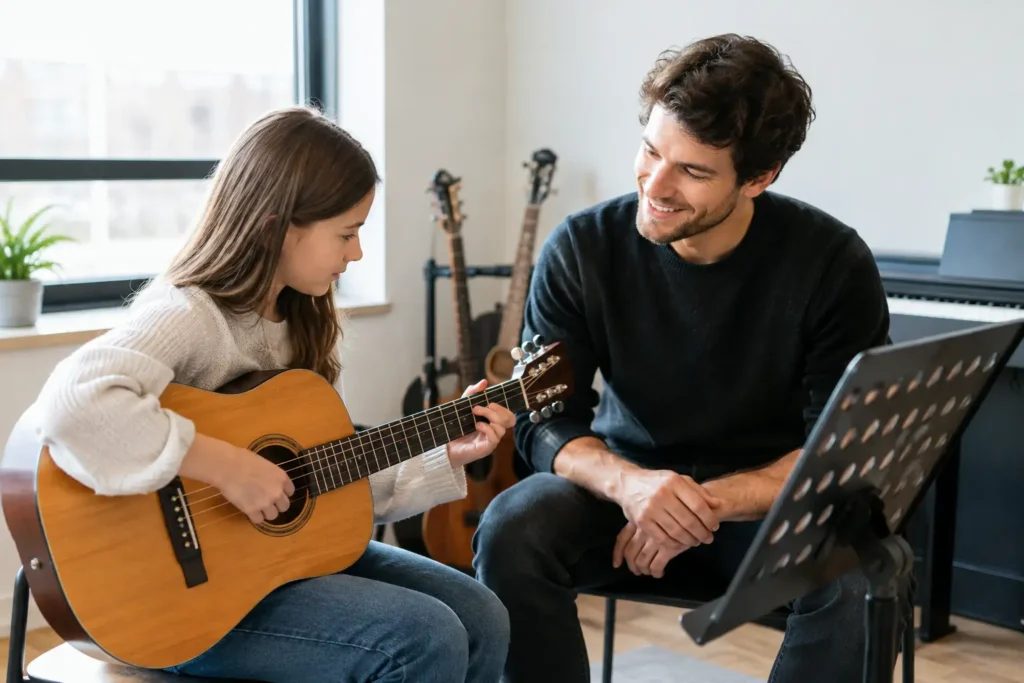
A child who has been tapping rhythms on the kitchen table, a teenager keen to play in a band, or an adult returning to the piano after years away all need the same thing at the start: a place where they can feel comfortable learning. If you are asking where to learn music Southend, the best answer is not simply the nearest lesson. It is the setting that gives you or your child the right teacher, instrument, pace and encouragement to keep going.
Music should feel exciting from the first note, but good tuition also provides direction. Whether the aim is a relaxed weekly hobby, school music support, graded examinations or confident performance, choosing carefully can make a lasting difference.
Where to learn music in Southend with confidence
A local music academy can offer more than a teacher and a timetable. It can provide a consistent place to learn, purpose-built rooms, access to a range of specialist tutors and the reassurance that help is available as a pupil develops. That matters particularly for younger learners, who often gain confidence from familiar routines and a welcoming environment.
Look for tuition that takes the individual seriously. A complete beginner does not need to know how to read music before their first lesson, while an experienced player may need more detailed technical guidance, repertoire coaching or help preparing for an examination. The right school will meet both learners where they are, without making either feel out of place.
At Allegro Music Academy in Southend, lessons are available for children, teenagers and adults across a wide choice of instruments. The aim is to make music approachable while maintaining the care, structure and high standards that help learners progress.
Start with the instrument that makes you want to play
There is no single best first instrument. The best choice is usually the one that keeps a learner interested enough to practise between lessons. A child drawn to a favourite song on guitar may be more motivated by guitar than piano, even if piano is often seen as a traditional starting point. Equally, a learner who enjoys rhythm may thrive behind a drum kit, while someone who loves singing may benefit from vocal tuition alongside music theory.
Piano and keyboard are popular options because they make pitch and harmony easy to see. Guitar, bass and ukulele can be rewarding for learners who want to play songs quickly or join others. Drums build timing, coordination and confidence, while violin, brass and woodwind offer a clear route into ensembles and school music-making. Vocals, banjo and mandolin can also be excellent choices when they match a pupil’s musical taste.
For parents, practical matters deserve consideration too. Think about the space available at home, whether an instrument can be transported, and the sound level that will suit the household. A tutor can advise on these points before a commitment is made. It is better to choose an instrument that fits real life than one that looks ideal on paper but sits unused.
Trying before deciding is sensible
Many learners are certain from day one. Others need a little time. A few introductory lessons can help reveal whether the size, feel and sound of an instrument are right. This is especially useful for young children, whose hands, concentration and preferences can change quickly.
Do not worry if the first choice is not permanent. The foundations gained through listening, rhythm, reading and regular practice transfer well between instruments. Changing direction is not failure; sometimes it is simply how a pupil finds the music they truly enjoy.
Choose a lesson format that supports regular learning
Consistency is one of the biggest factors in musical progress. The ideal lesson format is the one a family or adult learner can realistically maintain week after week.
One-to-one lessons give a teacher time to shape every session around the learner. They suit pupils with specific goals, those preparing for examinations, and anyone who benefits from focused attention on technique and repertoire. They can also work well for adults who may have clear musical interests or want to progress at their own pace.
Small-group classes bring a different kind of value. Children can enjoy the shared energy of learning alongside others, and group work can encourage listening, turn-taking and musical confidence. It may be particularly appealing to a child who is nervous about being the sole focus at first. However, pupils who need highly tailored support may find individual tuition more suitable.
Live online lessons are another helpful option for busy weeks, changing routines or learners who prefer to study from home. They still require a quiet space, a reliable connection and an instrument that is ready to play. For some practical skills, especially at the earliest stages, in-person tuition can be easier. For others, online learning is a flexible way to continue without losing momentum.
What a good first music lesson should feel like
A first lesson should not feel like an audition. It should help the teacher understand the learner and give the learner a genuine sense of what playing music can be like.
For a beginner, that may mean learning how to hold an instrument safely, finding a few notes, copying a short rhythm and playing something recognisable before the session ends. For a returning musician, it could mean discussing previous experience, checking technique and choosing music that feels motivating rather than overwhelming.
The teacher should ask about musical interests as well as goals. Someone who loves film music, pop, jazz, classical pieces or folk songs will stay more engaged when their lessons reflect that enthusiasm. Strong tuition balances enjoyment with the building blocks that make future music possible: pulse, pitch, posture, sound, reading, coordination and listening.
Parents should also feel able to ask what practice will look like at home. At the beginning, short and regular sessions are usually more productive than one long session at the weekend. A clear practice routine removes pressure and makes improvement easier to notice.
Look beyond the first few weeks
When deciding where to learn music in Southend, ask what will happen after the novelty of the first lessons has passed. Good teaching adapts as a pupil grows. A child who starts with simple songs may later want to work towards grades, play in a school group or write their own music. An adult beginner may initially want a creative break from work, then discover a wish to perform for friends or tackle a favourite piece.
Experienced teachers can set achievable next steps without turning every lesson into pressure. Examinations can be a valuable framework for some learners, giving them milestones and a sense of achievement. They are not essential for everyone. The joy of music can be just as real for someone learning favourite songs for personal enjoyment.
It is also worth considering the practical support around tuition. Access to knowledgeable advice on instruments, accessories, repairs, servicing and piano tuning can save uncertainty as needs change. A properly maintained instrument is easier and more enjoyable to play, which makes a real difference to a learner’s willingness to practise.
A welcoming environment makes progress easier
Music can feel personal. Learners may worry about making mistakes, sounding inexperienced or being compared with others. A supportive academy removes much of that anxiety by treating mistakes as a normal part of learning.
For children, this creates a secure place to build confidence and creativity. For adults, it makes starting later in life feel entirely achievable. Nobody is too old to begin, and nobody needs to arrive with natural talent already proven. Progress comes from thoughtful teaching, patient practice and the willingness to return to the instrument again.
When you visit or make an enquiry, notice how the conversation feels. You should come away with a clearer idea of the available instruments, formats and next steps, not with pressure to fit a particular mould. The right place will be interested in what you want from music.
A first lesson can be a small appointment in the diary, but it may become the start of a lifelong love of music. Choose a teacher and environment that make it easy to begin, enjoyable to continue and possible to grow at your own pace.